Navigating Zero-Interest Credit Mechanisms Across Seasonal Retail Cycles and Their Effects on Long-Term Budget Allocations
Zoe Schröder · Sep 15, 2026
Navigating Zero-Interest Credit Mechanisms Across Seasonal Retail Cycles and Their Effects on Long-Term Budget Allocations
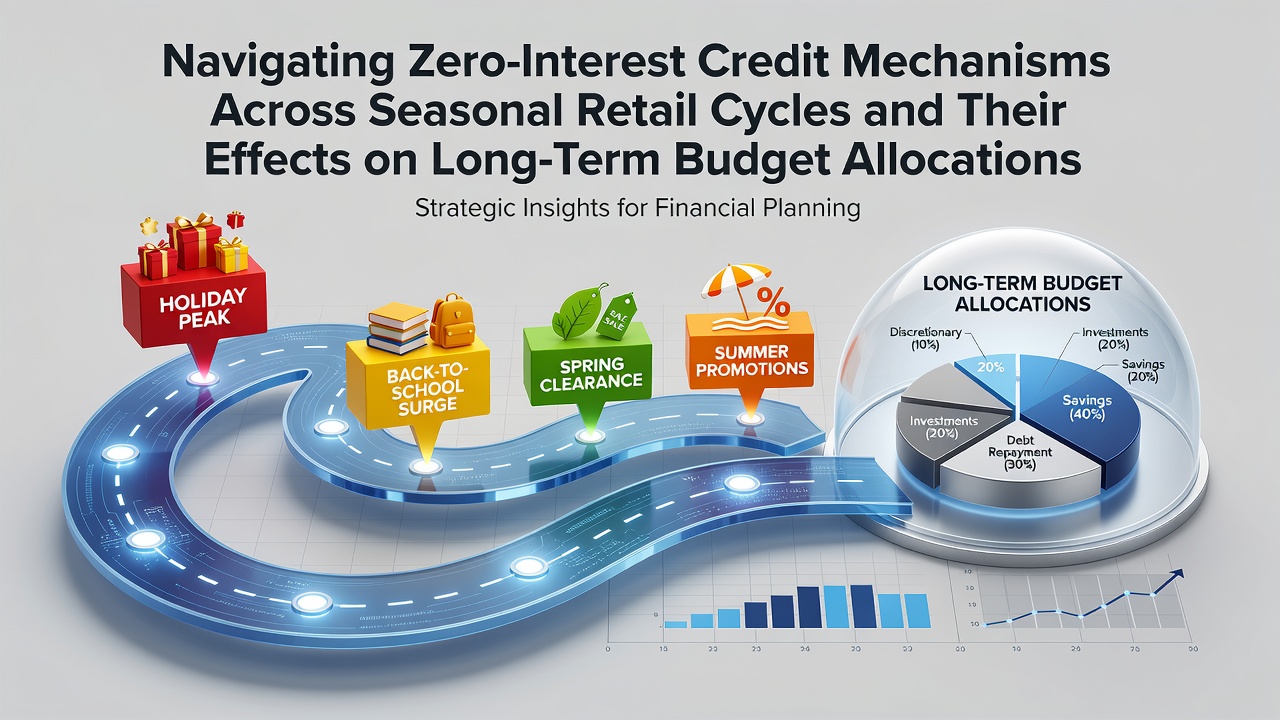
Retailers deploy zero-interest credit options at specific points in the calendar to align with inventory cycles, and consumers encounter these mechanisms most frequently during back-to-school periods in late summer, holiday shopping windows in November and December, and post-holiday clearance phases that extend into early spring. Data from the Federal Reserve shows that promotional 0% APR offers on credit cards and installment plans increase substantially in the third and fourth quarters each year, with September 2026 marking the start of another cycle where electronics, apparel, and home goods retailers prepare financing terms tied to expected inventory turnover.
Seasonal Patterns in Zero-Interest Credit Availability
Zero-interest promotions typically last between six and twenty-four months, and retailers time these windows to coincide with predictable demand spikes rather than spreading them evenly across the year. During the period leading into September 2026, observers note that major chains begin advertising deferred-interest agreements on high-ticket items such as laptops and appliances, while smaller specialty stores focus on furniture and outdoor equipment. Research from the Australian Bureau of Statistics indicates that consumer uptake of these offers rises by roughly 18 percent in the months before major holiday periods, and the same pattern holds across multiple regions where seasonal retail data is tracked.
Payment structures vary by product category and retailer strategy. Some agreements require minimum monthly payments that cover only accrued interest if the balance is not cleared within the promotional window, whereas others function as true installment loans with fixed payments. Those who study consumer credit data observe that the fine print often includes retroactive interest charges if the full amount remains unpaid by the deadline, and this clause influences how households allocate funds across multiple months.
Impact on Household Budget Planning
Households that utilize zero-interest credit during peak seasons often reallocate portions of their monthly budgets to accommodate the new payment obligations, and this shift can extend well beyond the promotional period. Figures from Statistics Canada reveal that average household debt-service ratios climb during quarters when 0% offers proliferate, then stabilize once the promotional windows close. People who track these patterns find that long-term budget allocations adjust to cover both the structured payments and any residual spending that occurred alongside the financed purchases.
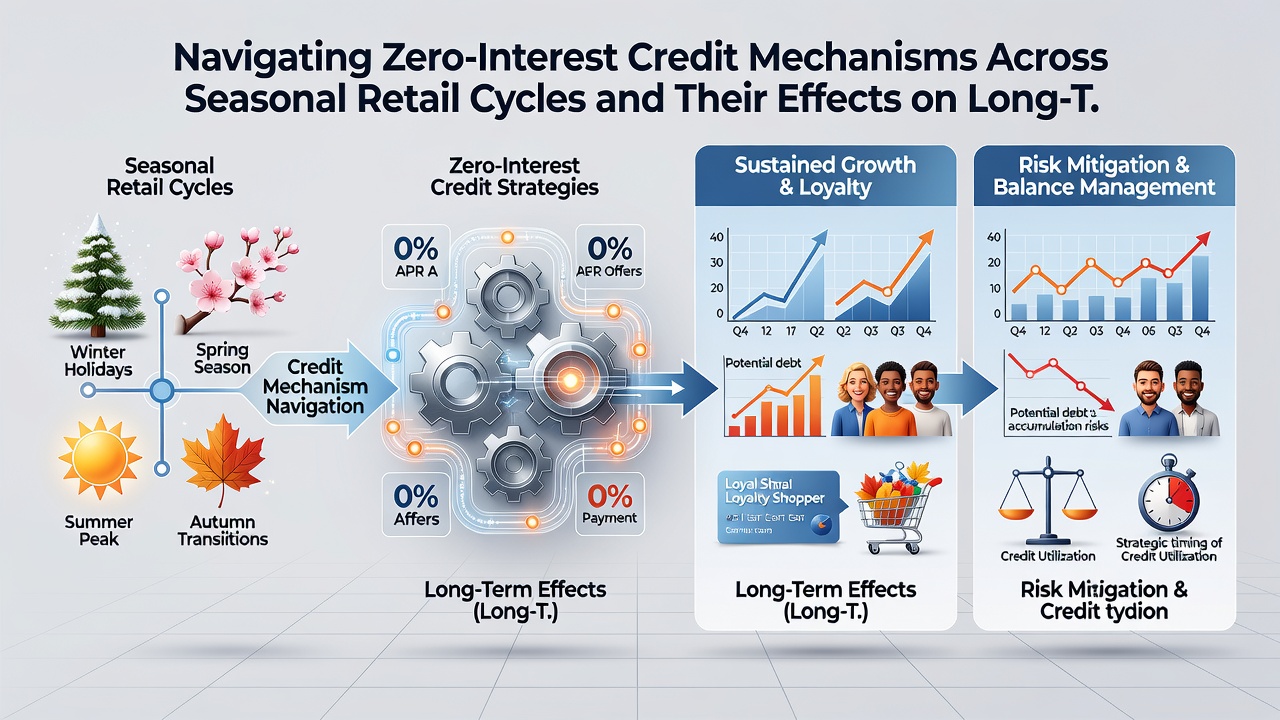
Take one family that finances a major appliance purchase in September under a twelve-month zero-interest agreement. Their cash flow remains intact during the initial months, yet they must maintain disciplined allocation toward that obligation to avoid retroactive charges. Observers note similar behavior during holiday cycles, when multiple smaller purchases combine into larger total balances that require coordinated repayment across the following year. Research indicates that consumers who spread payments evenly across the full promotional term experience fewer disruptions to savings goals compared with those who defer larger portions until the final months.
Long-Term Effects on Savings and Debt Profiles
Extended use of zero-interest mechanisms across successive seasonal cycles can alter the composition of household liabilities, shifting emphasis from revolving credit card balances toward structured installment debt. European Central Bank data shows that markets with widespread availability of promotional financing report slower growth in overall revolving credit during the same periods. Yet the transition does not always reduce total indebtedness, because some households layer new zero-interest purchases on top of existing obligations once earlier promotions conclude.
Budget software and financial planning tools now incorporate features that project these payment schedules across multiple years, and users who input seasonal purchase patterns receive forecasts that highlight potential shortfalls. Those who examine multi-year consumer surveys find that repeated participation in zero-interest cycles correlates with steadier month-to-month spending but also with reduced liquid savings buffers during non-promotional months. The effect compounds when retailers introduce new 0% offers in September for back-to-school items and again in November for holiday merchandise, creating overlapping payment streams that span fiscal years.
Conclusion
Zero-interest credit mechanisms remain tightly linked to seasonal retail calendars, and their influence on long-term budget allocations appears through shifting debt-service patterns and reallocated savings priorities. Data collected across multiple countries demonstrates consistent timing of promotional windows with inventory cycles, while household-level studies reveal how payment obligations extend well past the initial purchase season. As September 2026 approaches and retailers prepare the next round of offers, the interplay between these financing tools and consumer cash-flow management continues to shape spending and repayment behavior over multi-year horizons.